

Updated 2026
Over the years, we’ve built hundreds and hundreds of websites for small- to mid-sized businesses, helping us simplify what can often feel like an overwhelming process. While technology and design trends continue to evolve, the fundamentals of building an effective website haven’t changed much. A good website starts with clear goals, thoughtful planning, and a process that keeps everyone aligned.
We’re often asked what it really takes to create a website that looks good, works well, and supports business growth. Rather than overcomplicating things, we follow a practical, purpose-driven approach that focuses on performance, usability, and long-term value.
Key Takeaways
- The best websites start with clear goals and a plan, not just a design idea.
- How a site is structured and used matters just as much as how it looks.
- A website should be built to support your business long after it goes live.
Below is a high-level look at how we guide clients from early planning through launch.
Step 1: Clarifying Goals and Purpose
Before design or development begins, we take time to understand what the website needs to accomplish. Is the goal to generate leads, support advertising efforts, educate customers, or all of the above?
Whether we’re working with an established business planning a redesign or a growing company building its first site, defining the purpose upfront helps guide every decision that follows. Clear goals keep the project focused and prevent unnecessary changes later in the process. Clear goals at the start also help ensure your website aligns with your broader digital marketing strategy.
Step 2: Structuring the Site
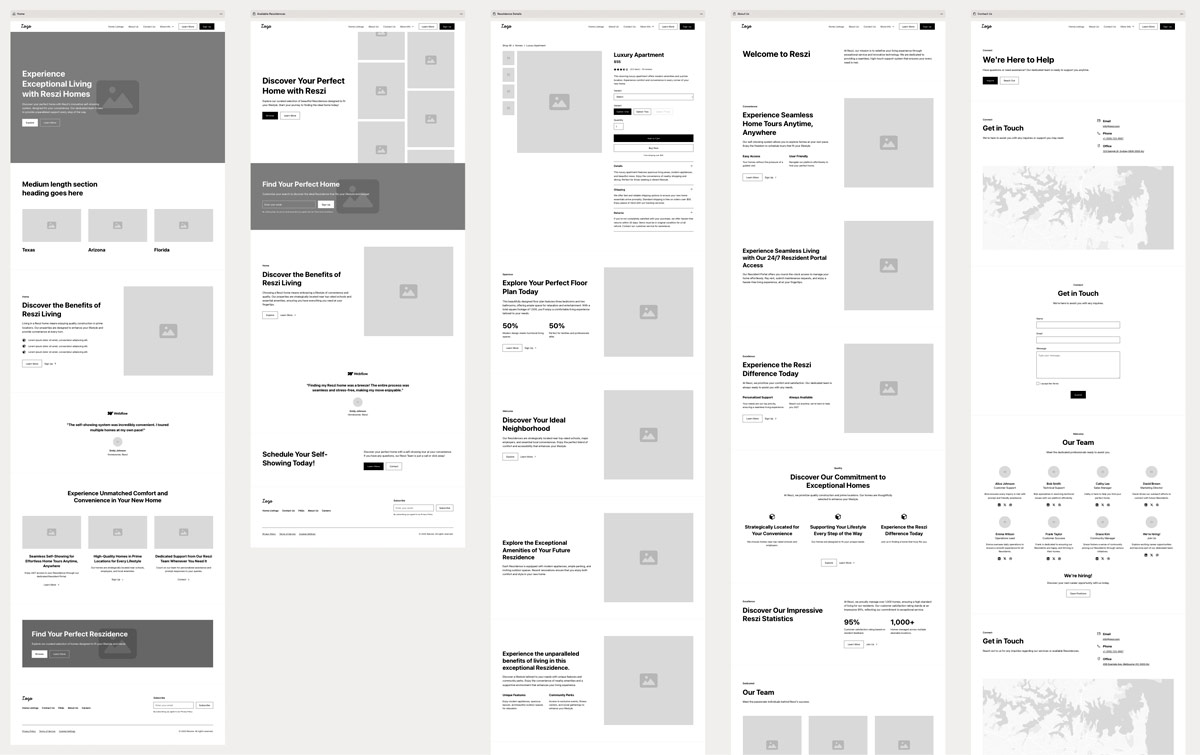
Once the goals are defined, we map out the website’s structure. This includes outlining and wireframing the pages, navigation, and key functionality needed to support both users and business objectives.
This step creates a shared understanding of how the site will be organized and how visitors will move through it. A well-planned structure makes the design phase more efficient and ensures the final site is intuitive and easy to use.
Step 3: Designing With Intent
With the structure in place, design begins. We start by focusing on layout, content hierarchy, and user flow before applying visual styling. This helps ensure the site tells a clear story and guides visitors toward meaningful actions.
From there, branding elements like colors, typography, and imagery are applied to bring the site to life. Design decisions are made with usability and consistency in mind, not just aesthetics. The goal is a site that feels on-brand, easy to navigate, and built for real users. A well-planned structure also supports stronger performance from your website design and development over time
Step 4: Development, Testing, and Launch
Once designs are approved, development begins. Our team carefully builds the site, ensuring it performs well across devices and browsers. Before launch, we thoroughly test functionality, forms, performance, and basic SEO foundations.
Launch isn’t treated as the finish line. It’s the point where the site becomes an active part of your business. Ongoing updates, performance monitoring, and marketing support help ensure the site continues to do its job long after it goes live.
Built for More Than Just Looks
A website shouldn’t exist in isolation. It often serves as the foundation for marketing, advertising, and future growth. That’s why our process is designed to support more than just a launch date. For many businesses, the website becomes the foundation for lead generation and visibility through local marketing and ongoing campaigns
Our common-sense approach keeps projects moving efficiently while creating websites that are clear, usable, and built to support real business goals. No unnecessary steps. No overcomplication. Just thoughtful planning, honest communication, and work that’s built to last.
If you’re considering a new website and want a process that’s practical, transparent, and results-focused, we’re always happy to start the conversation. Contact Us Now!